We are Cahaba River Coalition. Cahaba River Society and Cahaba Riverkeeper have merged to strengthen watershed protection and conservation for communities, wildlife, and future generations. Read the full announcement

Threats to the River

The Cahaba River faces complex challenges as our watershed faces continuous development and a changing climate. The Cahaba Coalition works with communities, developers, and regulators to reduce pollution while holding polluters accountable when the river is harmed. With your help, we can safeguard the Cahaba for generations to come.

Stormwater

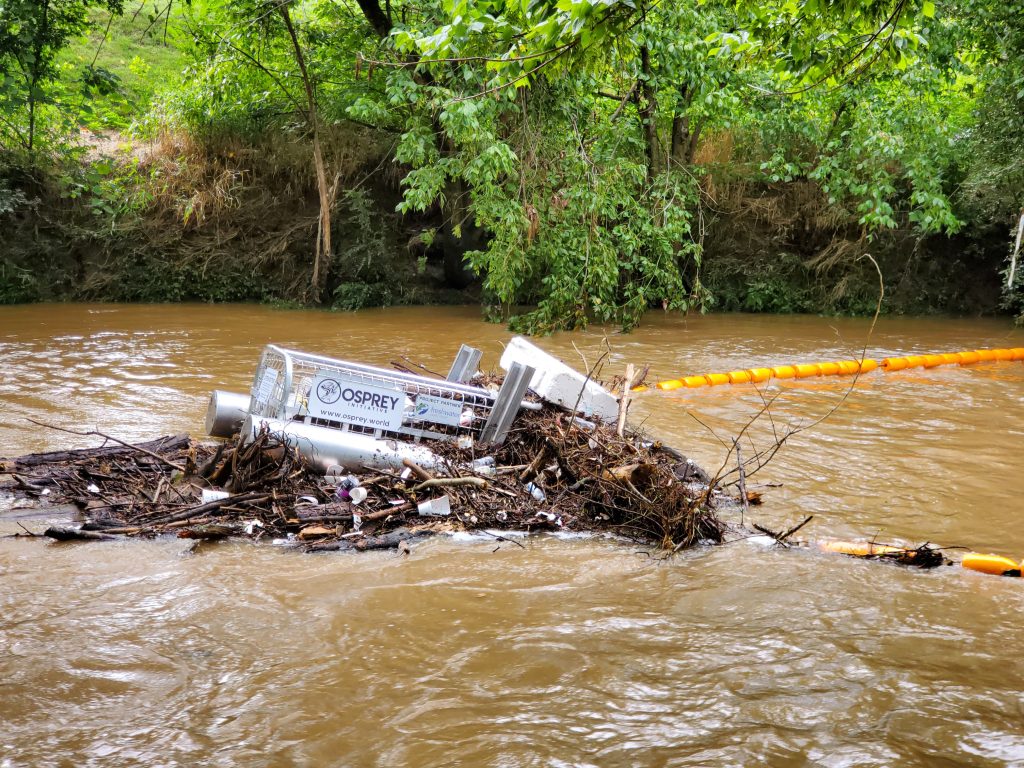
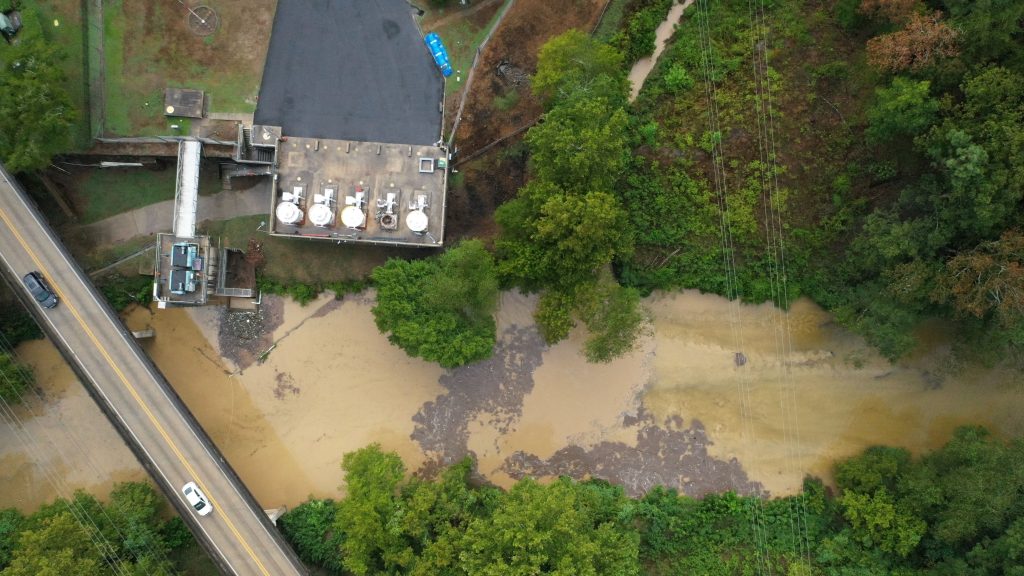
While rain plays a critical role in the water cycle, inevitable development and human activity in our watershed has drastically changed how stormwater influences the ecological health of the Cahaba River. Impervious surfaces have replaced forests, increasing the volume and velocity of stormwater reaching the river. The result: increasing erosion, pollution and dramatic hydrological change, which have severely degraded aquatic habitat.

Siltation

Siltation, or the excessive accumulation of sediments, is a primary driver of habitat degradation in the upper Cahaba watershed. This impairment is the result of irresponsible development, poor regulatory oversight, and deforestation associated with inevitable land disturbance in our watershed. Siltation is a factor for the declining abundance of the majority of threatened or endangered aquatic species in the Cahaba watershed.

Emerging Contaminants

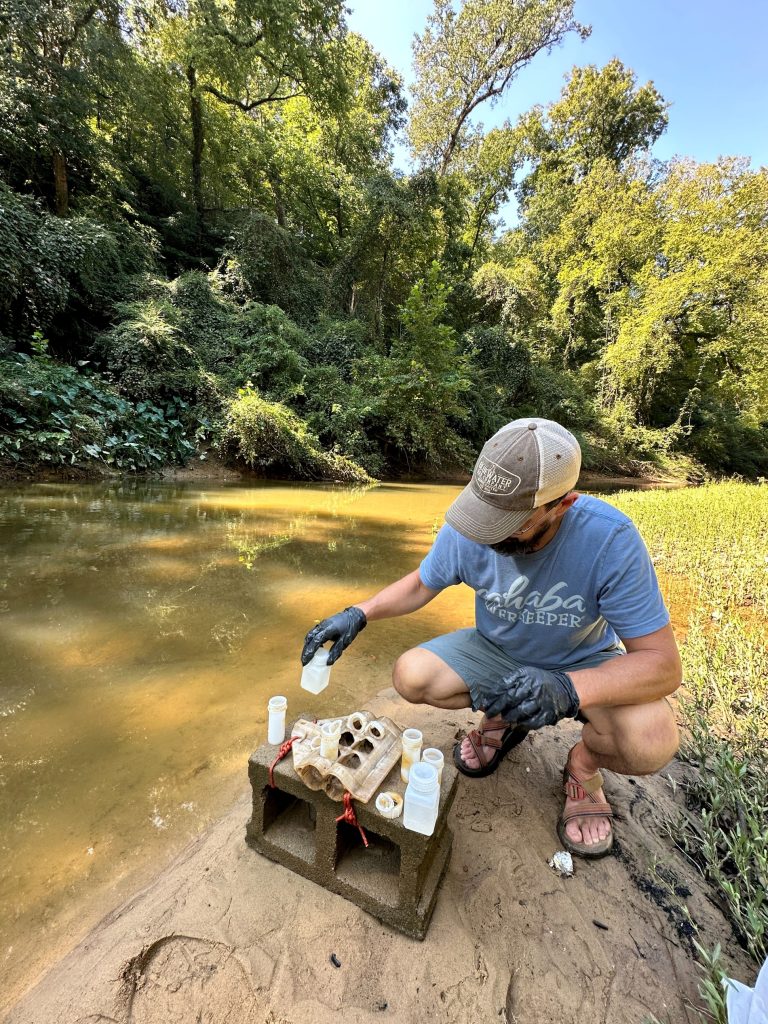
The development and use of chemical compounds we rely on in modern society has quickly outpaced our understanding of how those chemicals affect the environment and human health. In Alabama, inadequate funding for environmental protection has meant that we have limited information about the prevalence of these compounds or how they reach our waterways. Compounding the problems, some of these compounds like PFAS (sometimes called Forever Chemicals) don’t readily break down in the environment, meaning their impact on both aquatic systems and human health persist for generations.  

Decreasing Biodiversity

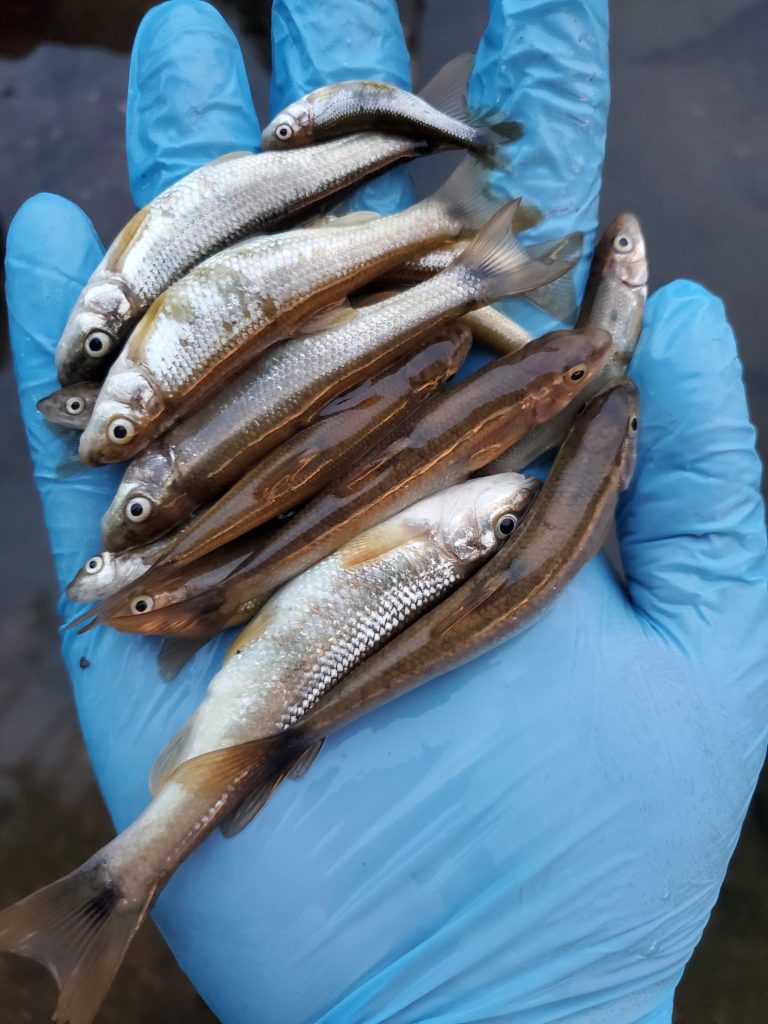
While the Cahaba River is world-renowned for its amazing aquatic biodiversity, there has not been widespread recognition of the declining abundance of aquatic species. Like all life, aquatic species depend on the abundance of other living organisms for a variety of reasons and the loss of any species can have devastating consequences for aquatic ecosystems. Despite the global significance of the Cahaba River, inadequate research funding has resulted in the loss of species that we now know will inevitably lead to even more extinctions.  

Invasive Species

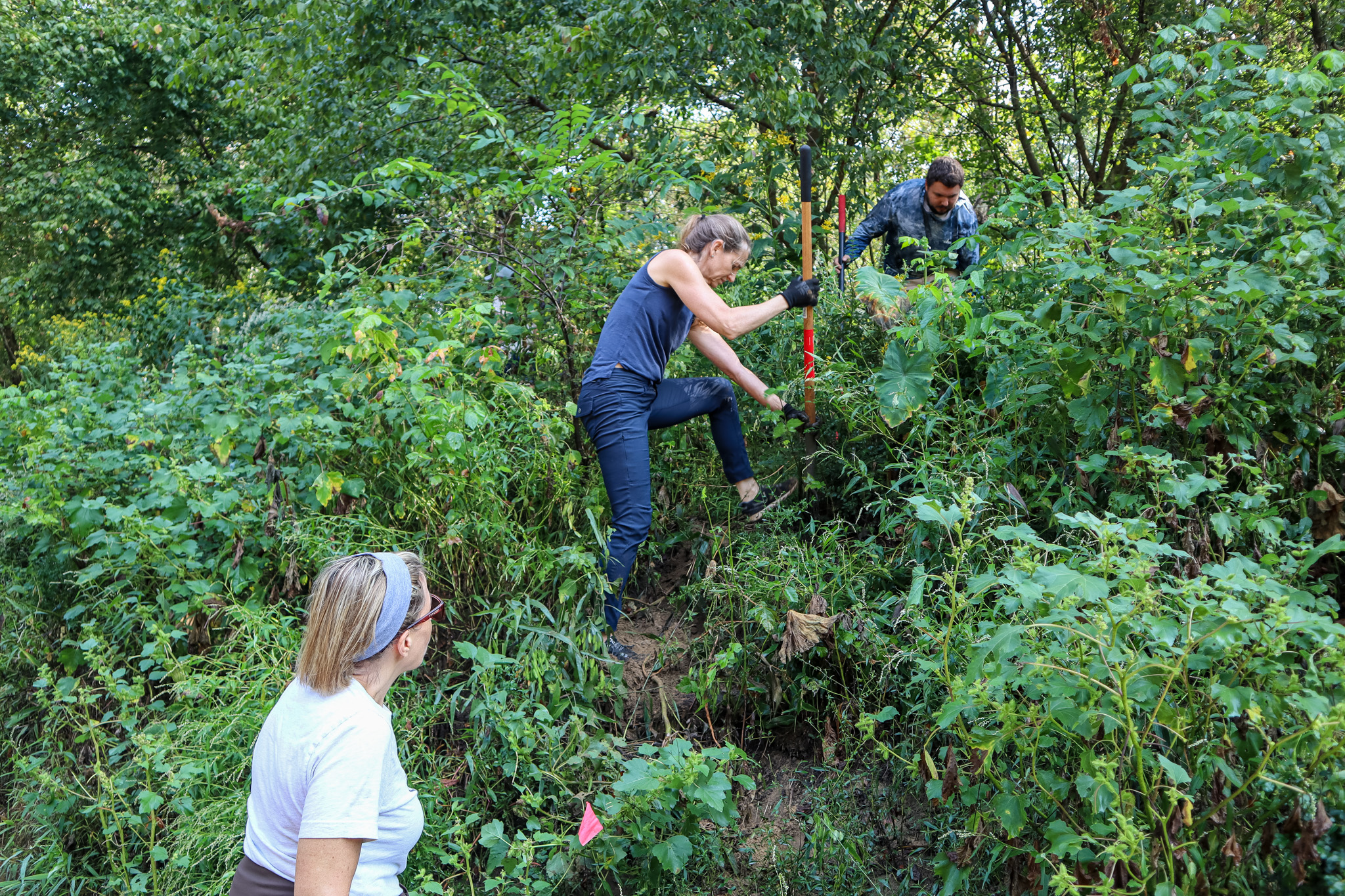
Invasive plants and animals are an increasing threat to the health of the Cahaba River. Non-native species can spread rapidly, displacing native plants and disrupting the habitats that support the river’s remarkable biodiversity.

Cahaba River Coalition works to address invasive species through volunteer removal efforts, public education, and ongoing research into long-term control and eradication strategies. We also partner with organizations working across the watershed to better understand and manage invasive species.

Be a Voice
for the River

Your membership fuels science, advocacy and education that safeguard the Cahaba River for generations to come
Copyright © 2026 Cahaba River Coalition
Web Development By Infomedia