We are Cahaba River Coalition. Cahaba River Society and Cahaba Riverkeeper have merged to strengthen watershed protection and conservation for communities, wildlife, and future generations. Read the full announcement

The Crown of the Cahaba

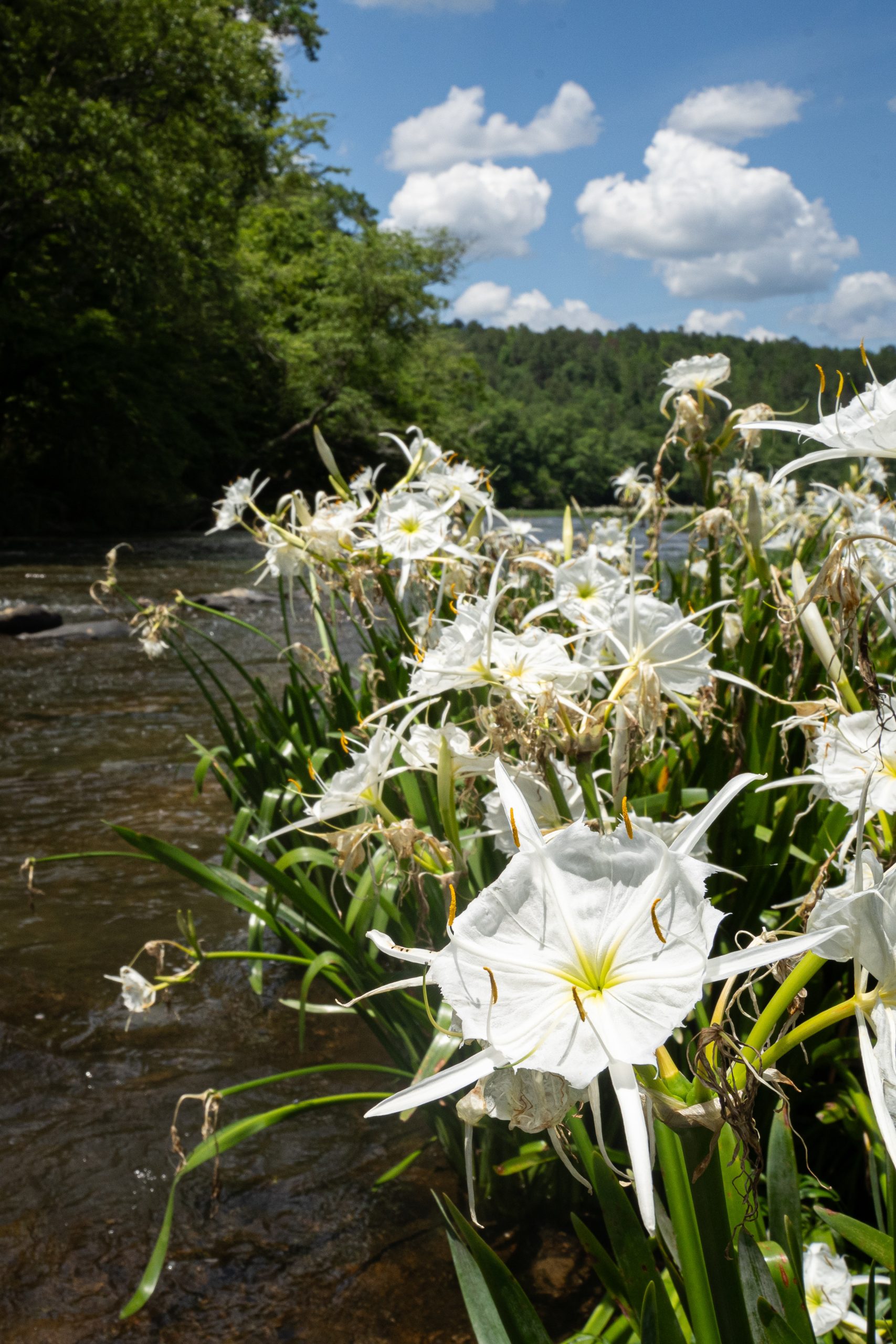
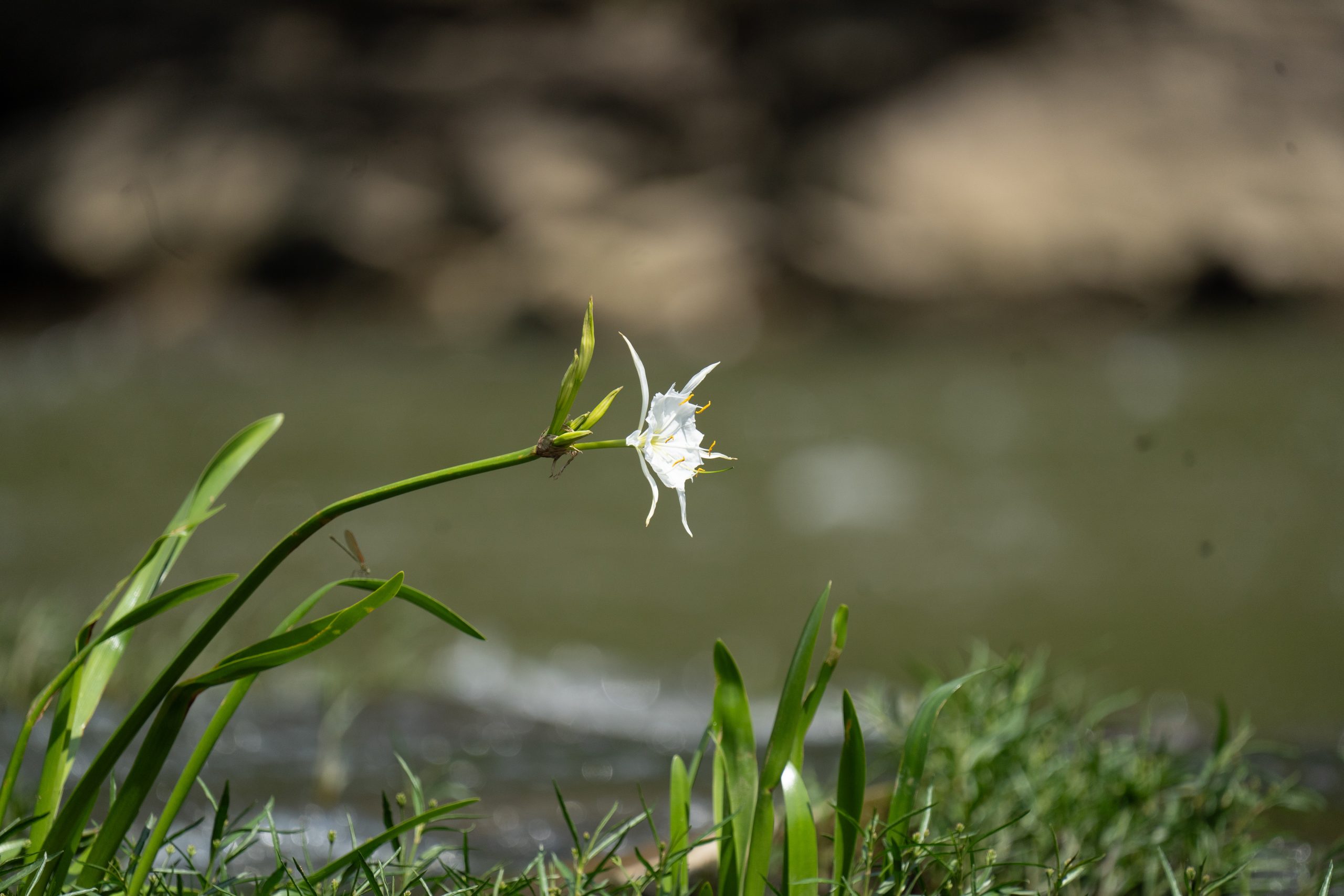
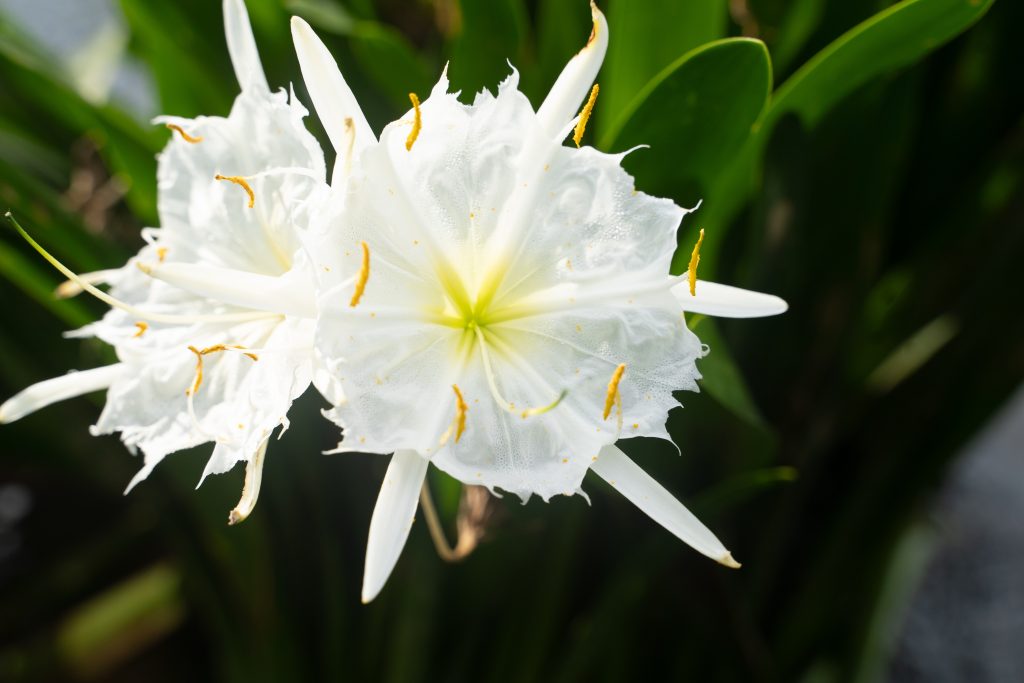
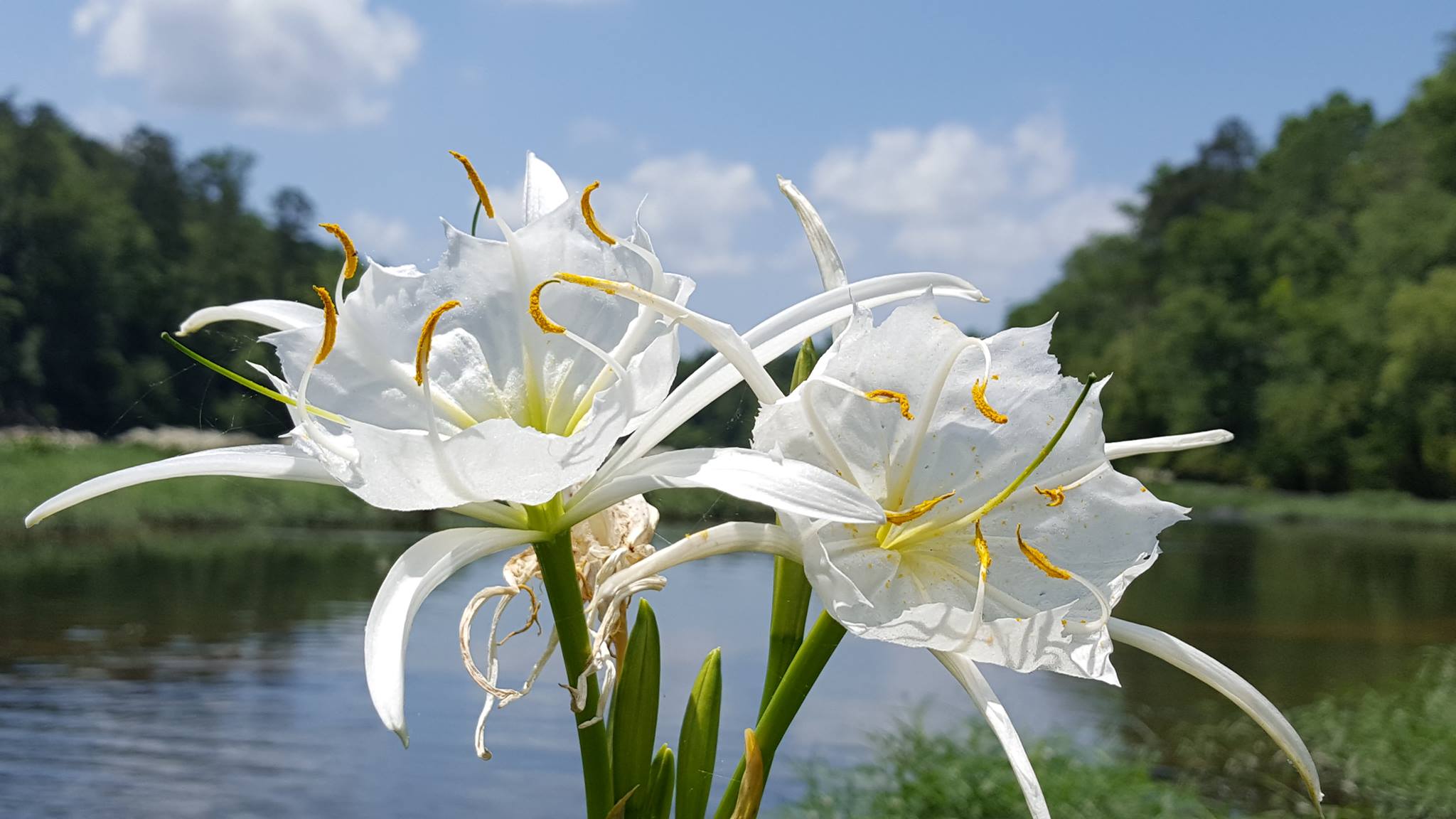
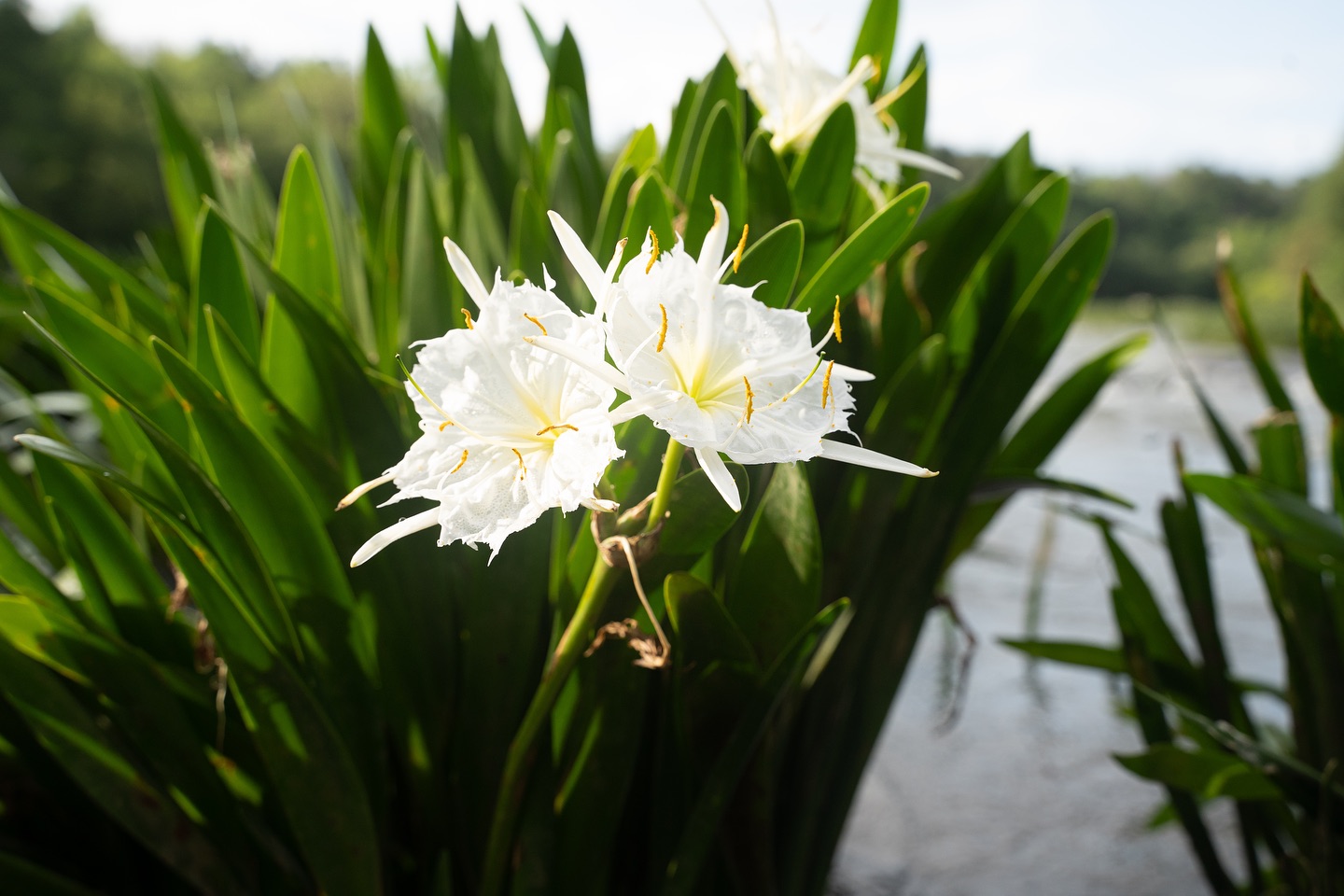
The Rocky Shoals Spider Lily (Hymenocallis coronaria) is one of the most iconic plants in the Southeast and a defining symbol of the Cahaba River. Its name means “crown-like membrane,” and each spring, thousands of these striking white flowers bloom across the river’s rocky shoals—creating one of Alabama’s most remarkable natural spectacles.

How to See the Cahaba Lilies

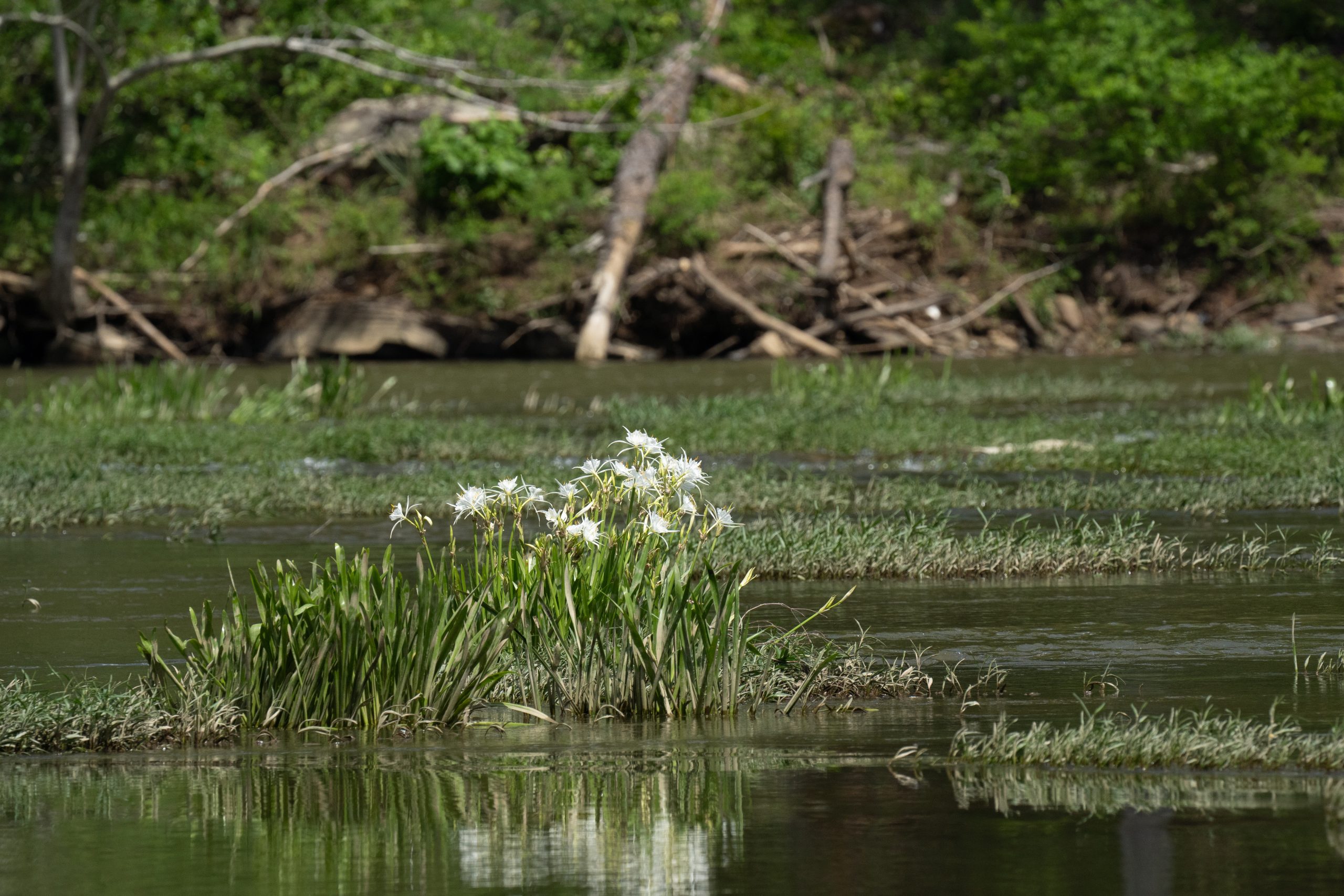
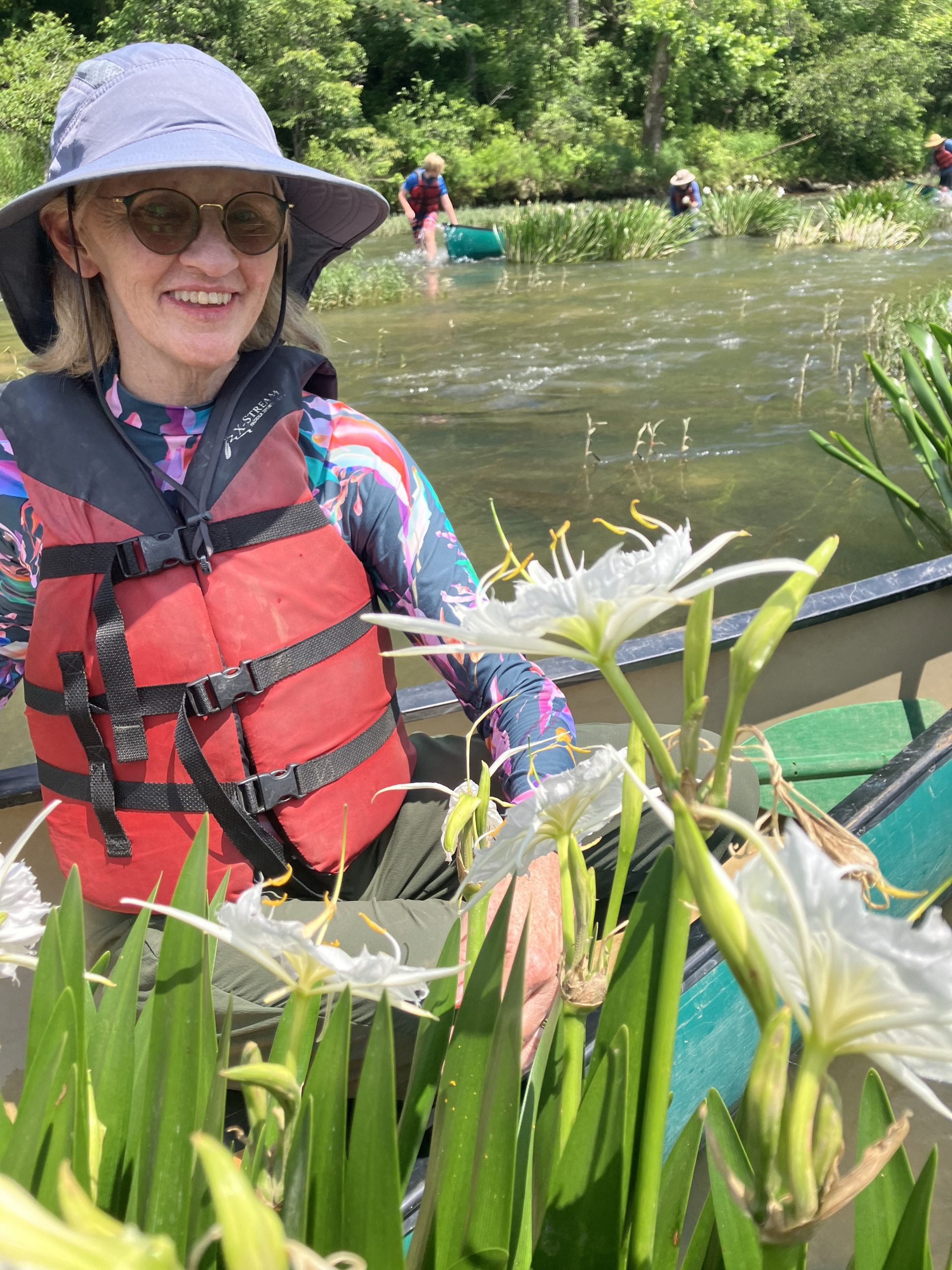
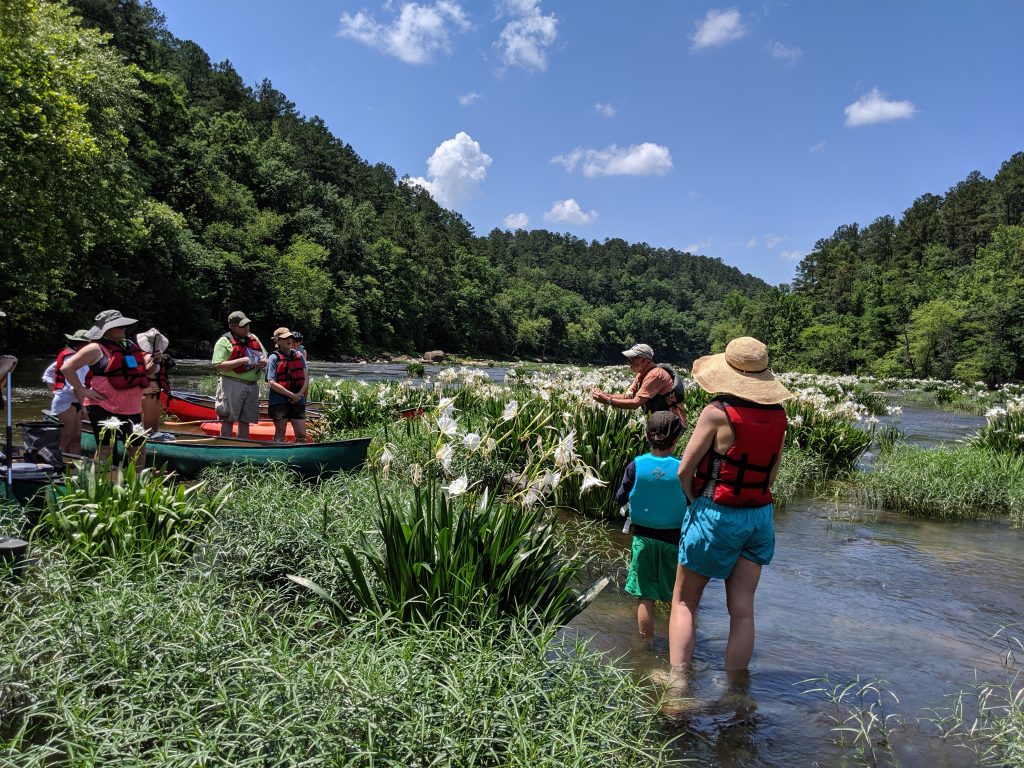
The largest stands of Cahaba lilies bloom at the Cahaba River National Wildlife Refuge, located less than an hour from downtown Birmingham. Visitors can view lilies from riverside trails, short hikes, or by canoeing through the river’s rocky shoals.

Cahaba River Coalition leads guided canoe trips during lily season offered exclusively to our members, providing a unique experience to see the lilies up close during peak bloom.

The Cahaba Lily

The Cahaba River has the longest stretch of free-flowing river in Alabama with the right kinds of shoals to support significant lily populations. The lilies’ strikingly beautiful three-inch-wide white petals are the first thing that comes to mind for many people when they think of the Cahaba River.

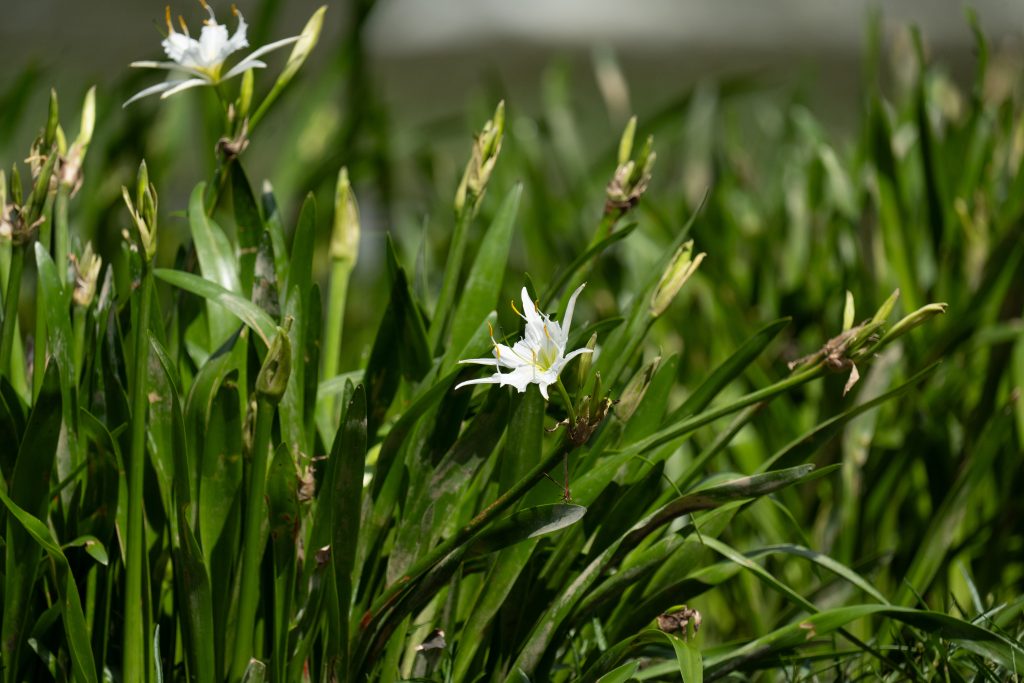
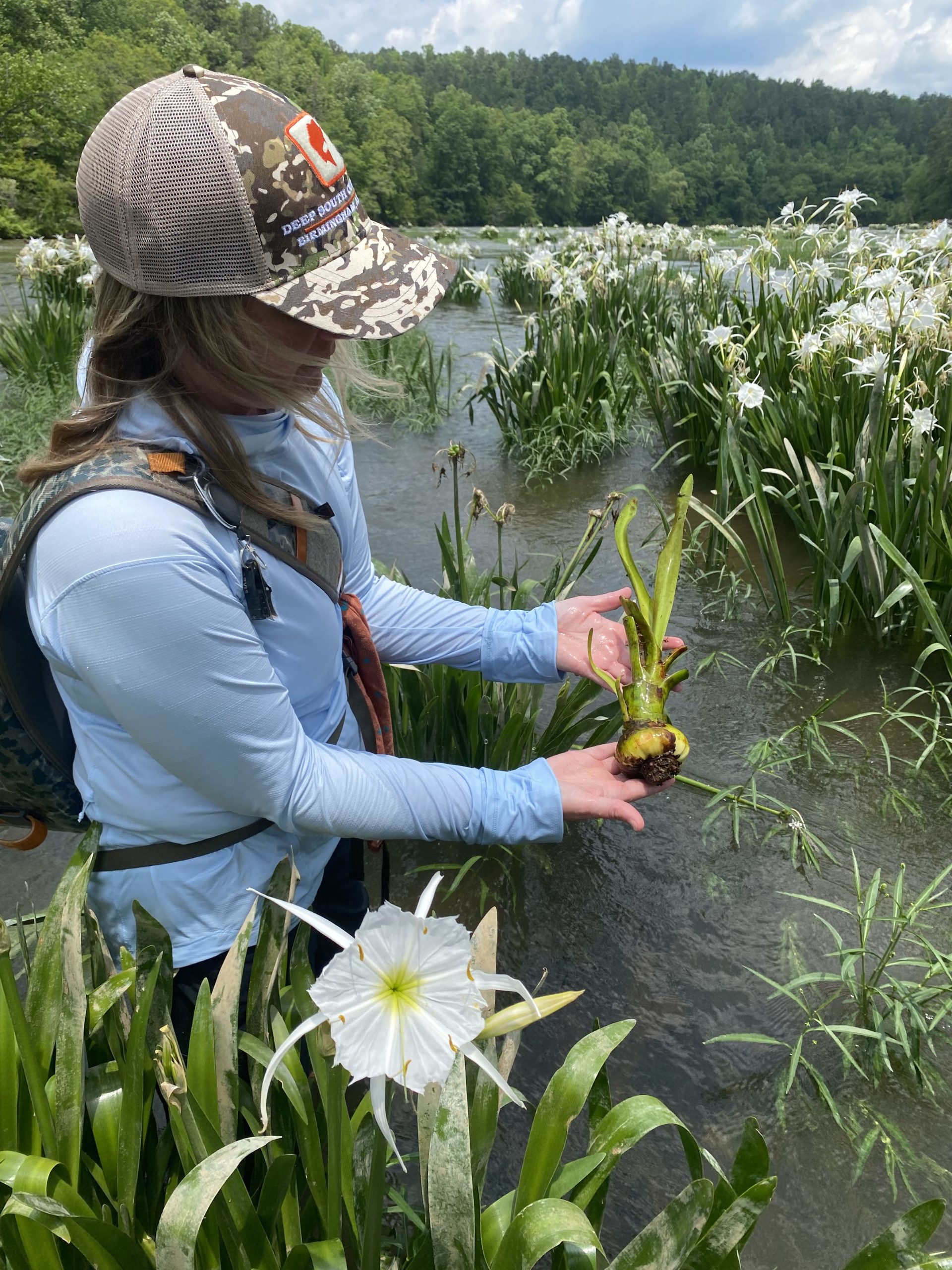
Cahaba lilies grow only in swift-moving rivers with rocky shoals and full sunlight, conditions that exist in just a handful of places in Alabama, Georgia, and South Carolina. The Cahaba River National Wildlife Refuge contains one of the largest remaining stands of lilies.

Each stalk produces multiple white blooms, each flower staying open for just 24 hours. The flowers typically appear from mid-May through mid-June, transforming sections of the river into a landscape of white blossoms.

Cahaba lilies are pollinated primarily by the plebeian sphinx moth, a nighttime pollinator that plays an important role in the plant’s reproduction.

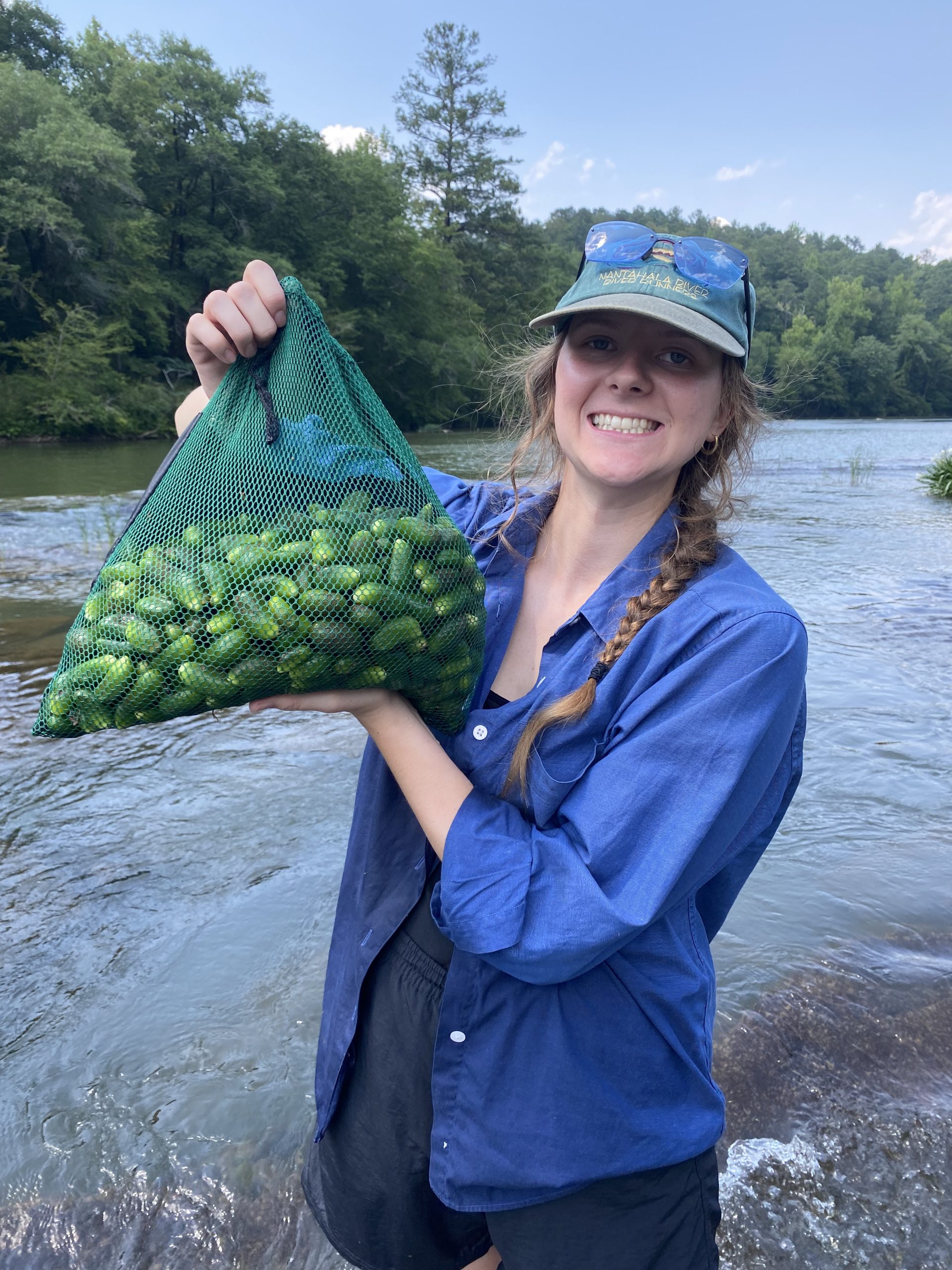
Their bulbs grow wedged into cracks in rocks beneath flowing water, while their seeds sink and settle in downstream shoals where new plants can take root.

Threats to the Lilies

Cahaba lilies depend on very specific river conditions, making them vulnerable to environmental change.

Dams that flood rocky shoals have eliminated historic lily habitat, while excess stormwater runoff, pollution, and invasive species like wild taro threaten existing populations by altering water flow and crowding out native plants.

Protecting lilies means protecting the health and natural flow of the Cahaba River itself.

Restoring the Lilies

Cahaba River Coalition actively works to protect and restore Cahaba lily habitat.

We collaborate with scientists, city planners, engineers, and developers to reduce stormwater impacts that threaten lily populations. With guidance from the U.S. Fish and Wildlife Service, we also lead restoration efforts to reintroduce lilies to sections of the river where they once grew.

At the Cahaba River National Wildlife Refuge, Cahaba River Coalition partnered on a mine reclamation project that restored land, improved water quality, and expanded public access to view the lilies.

Help Protect the Lilies

Cahaba lilies exist in only a few rivers in the Southeast, and their survival depends on protecting the Cahaba River’s natural flow and water quality.

Become a member of Cahaba River Coalition to support lily restoration, research, and habitat protection.

Be a Voice
for the River

Your membership fuels science, advocacy and education that safeguard the Cahaba River for generations to come
Copyright © 2026 Cahaba River Coalition
Web Development By Infomedia