Fish
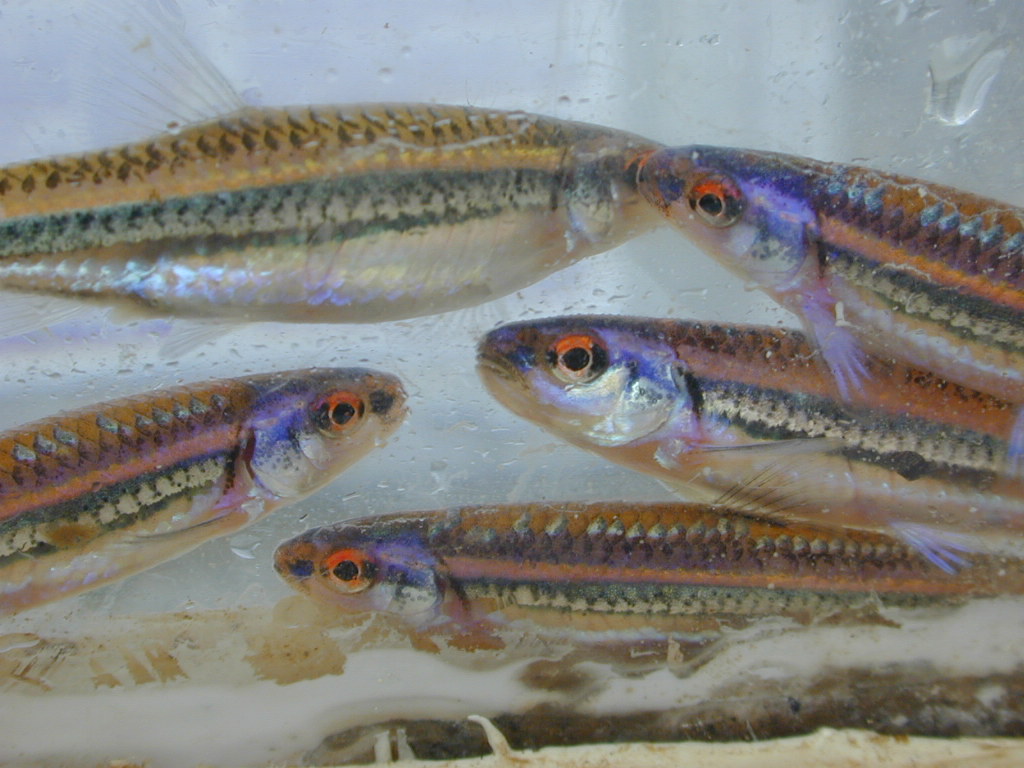
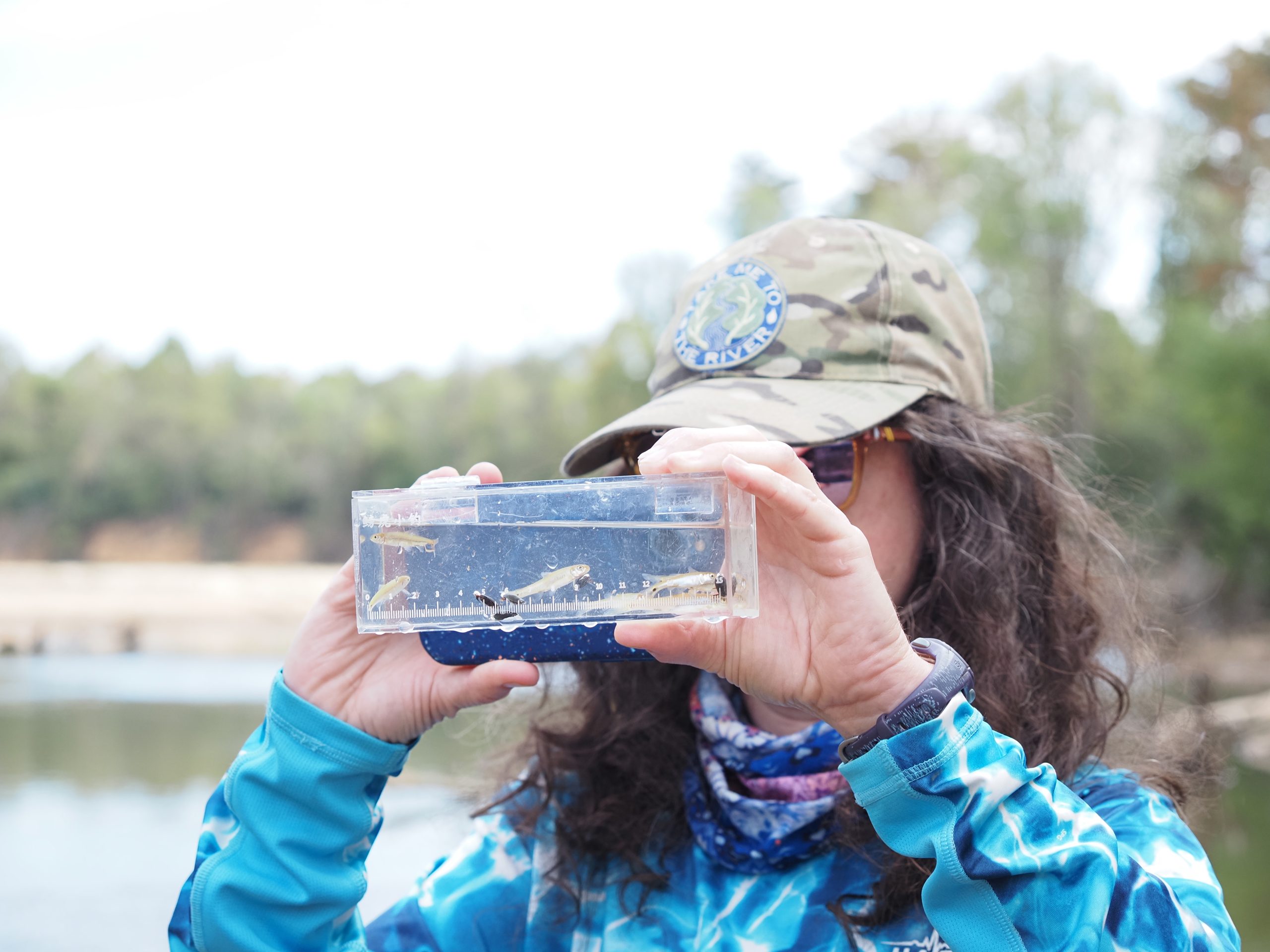
Historically, the Cahaba River has supported more than 130 species of fish, making it one of the richest freshwater fish habitats in the United States. At least 18 of these species are endemic, meaning they are found nowhere else in the world.
Mollusks
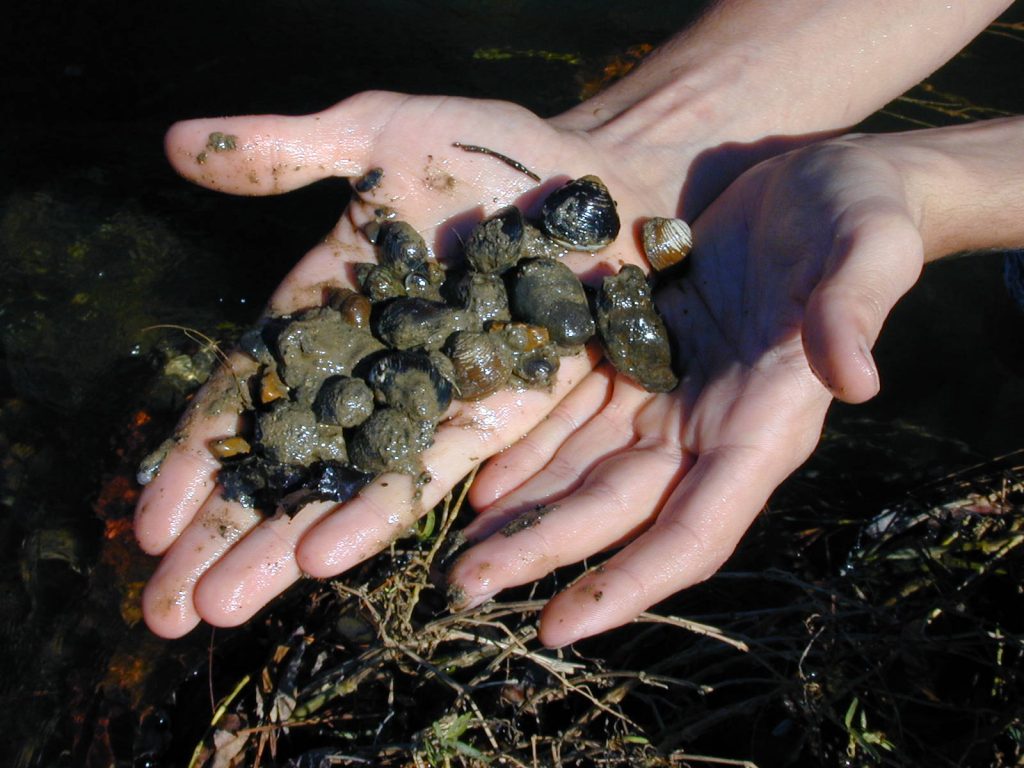
Freshwater mussels and snails are among the river’s most important—and most threatened—inhabitants.
The Cahaba has historically supported 48 species of freshwater mussels and 32 species of freshwater snails, including 10 species found nowhere else on Earth. These animals play a critical role in filtering water and maintaining river health.
Crustaceans
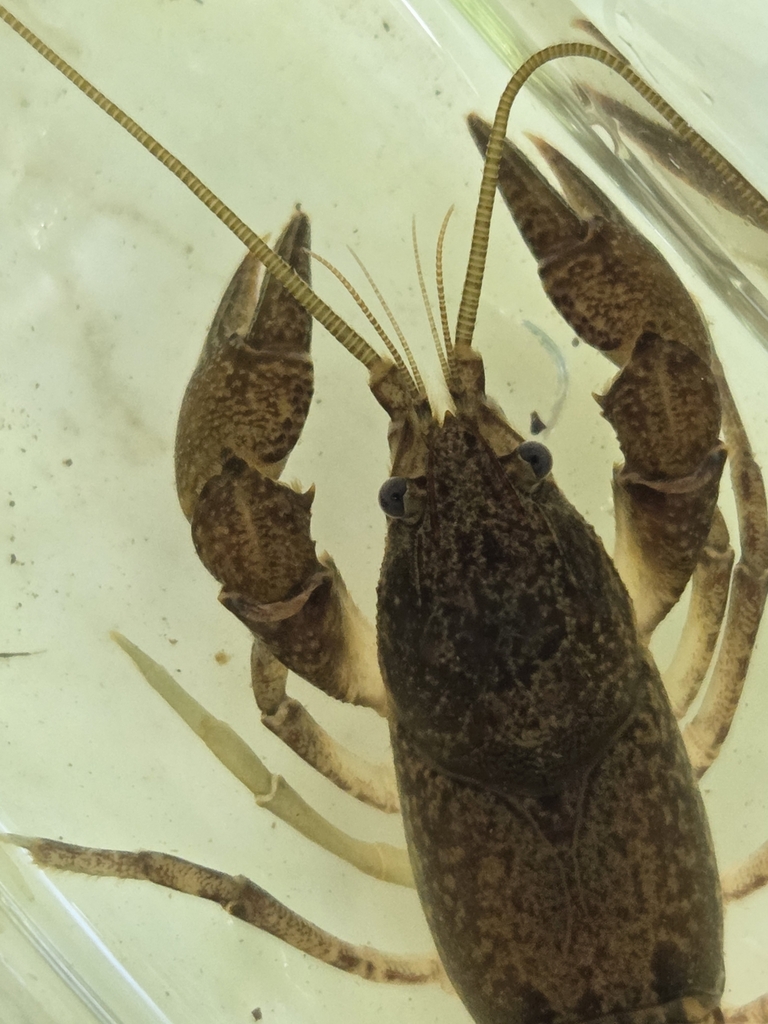
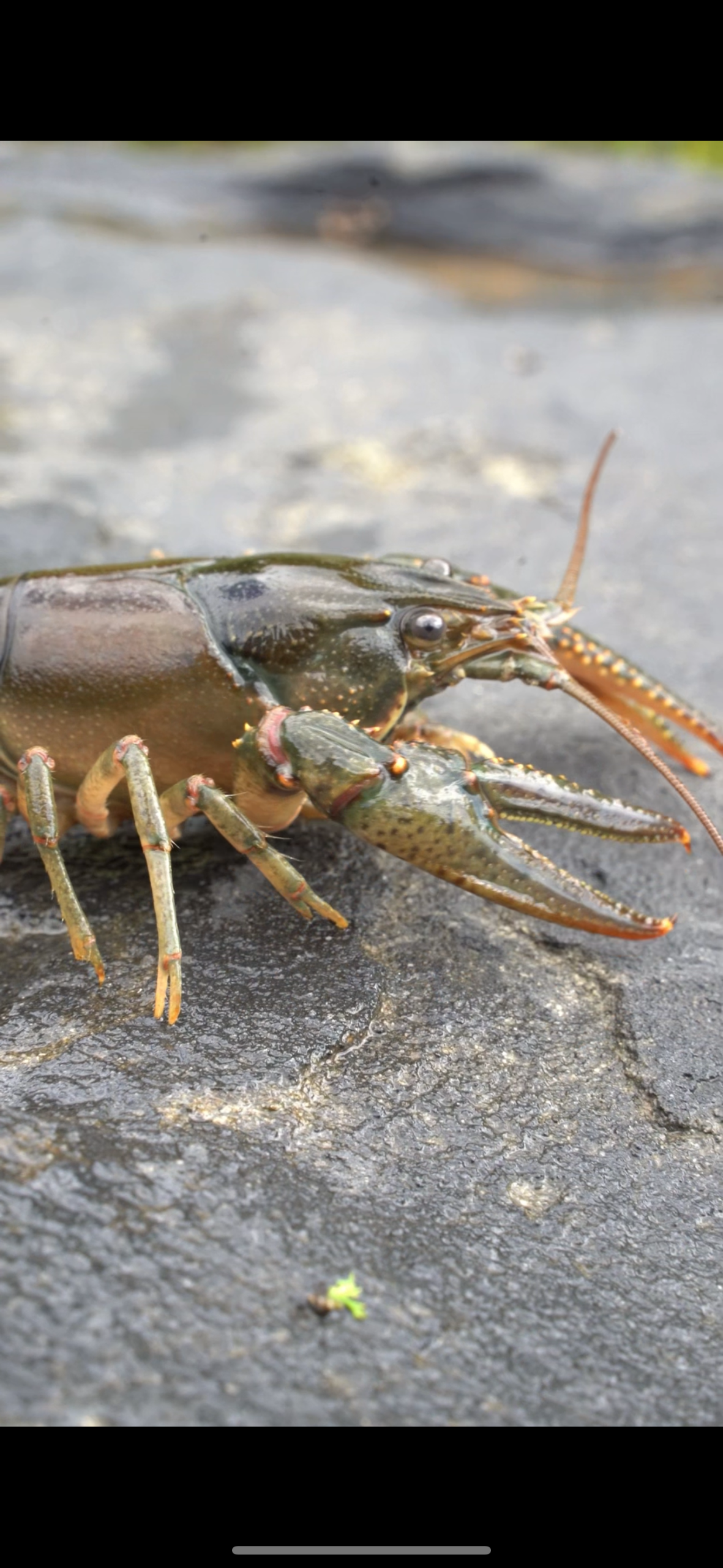
The Cahaba River watershed supports at least 17 species of crayfish. These small critters play a big role in the river’s food web.
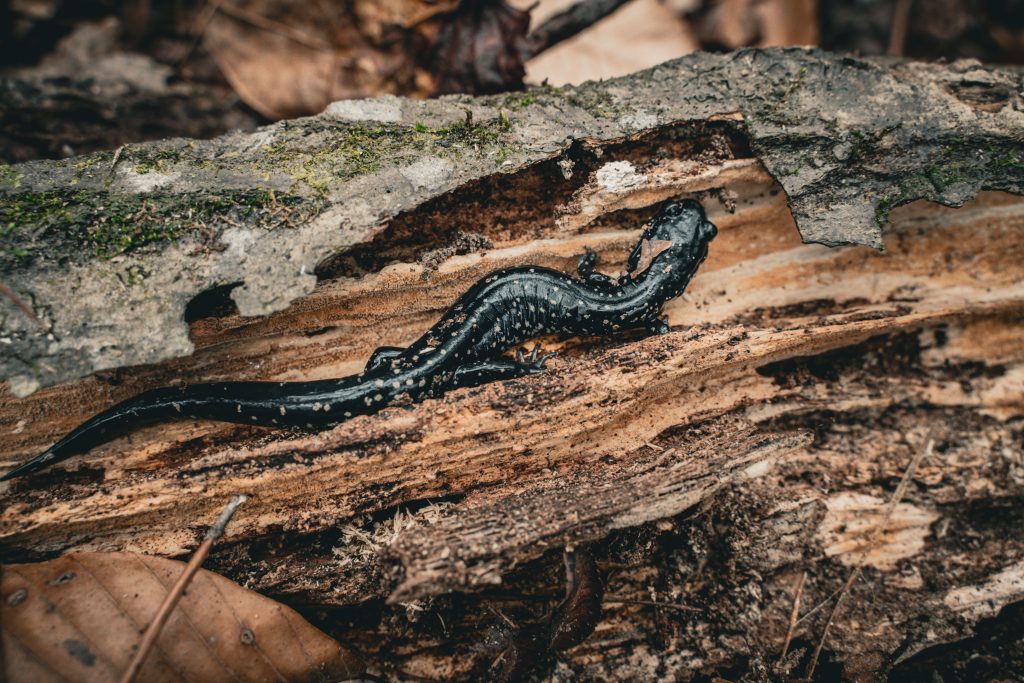
Amphibians
Frogs and salamanders thrive in the wetlands, tributaries, and forests surrounding the Cahaba. Because amphibians are highly sensitive to pollution and habitat change, they are often considered early indicators of water quality and ecosystem health.
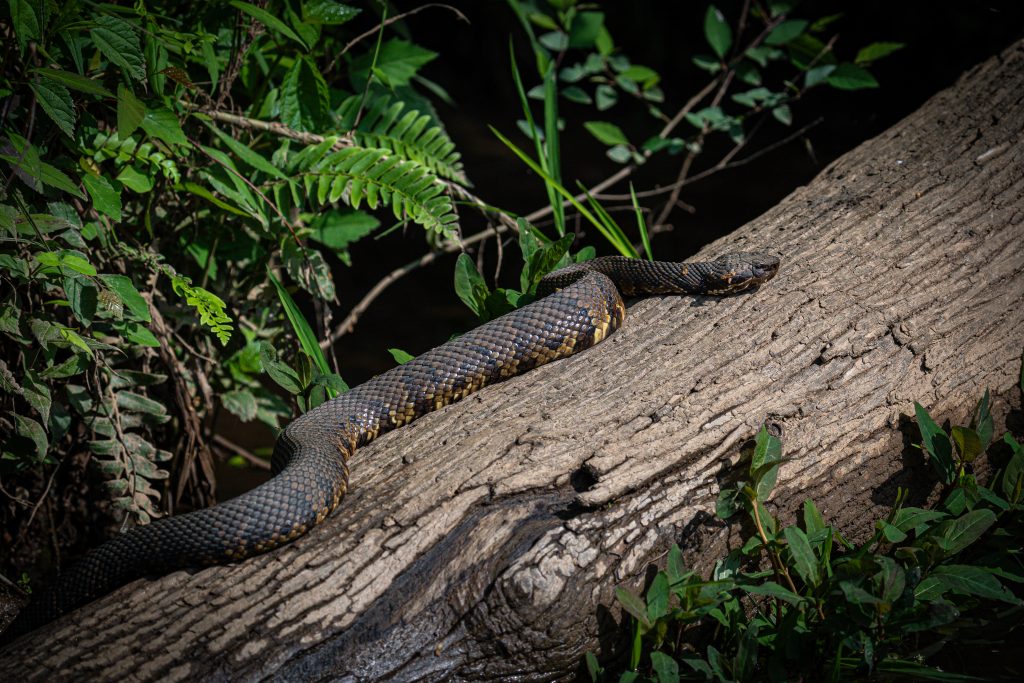
Reptiles
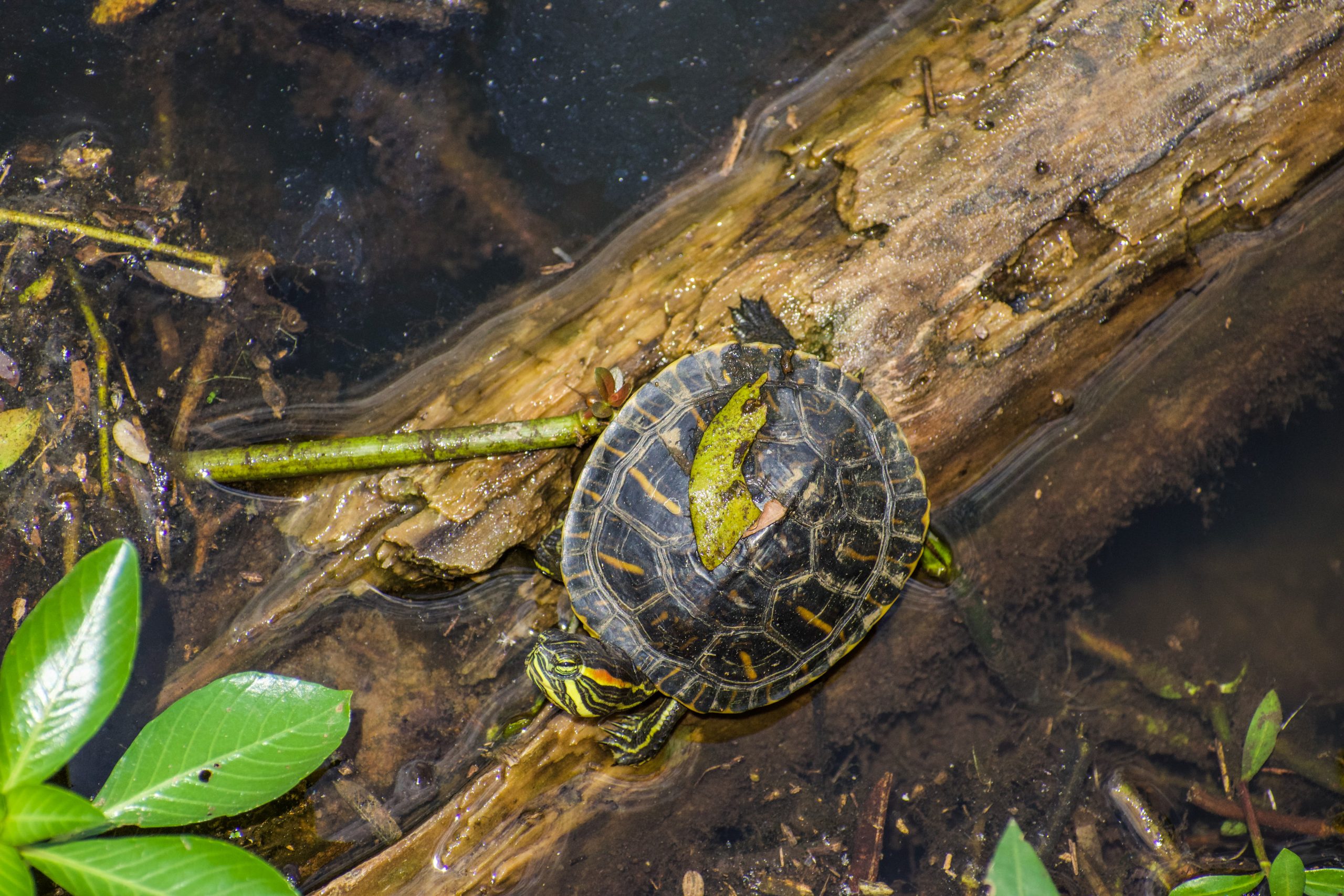
The Cahaba River provides habitat for at least 17 species of turtles. A variety of native snakes also live along the river, playing an important role in maintaining balance in the ecosystem.
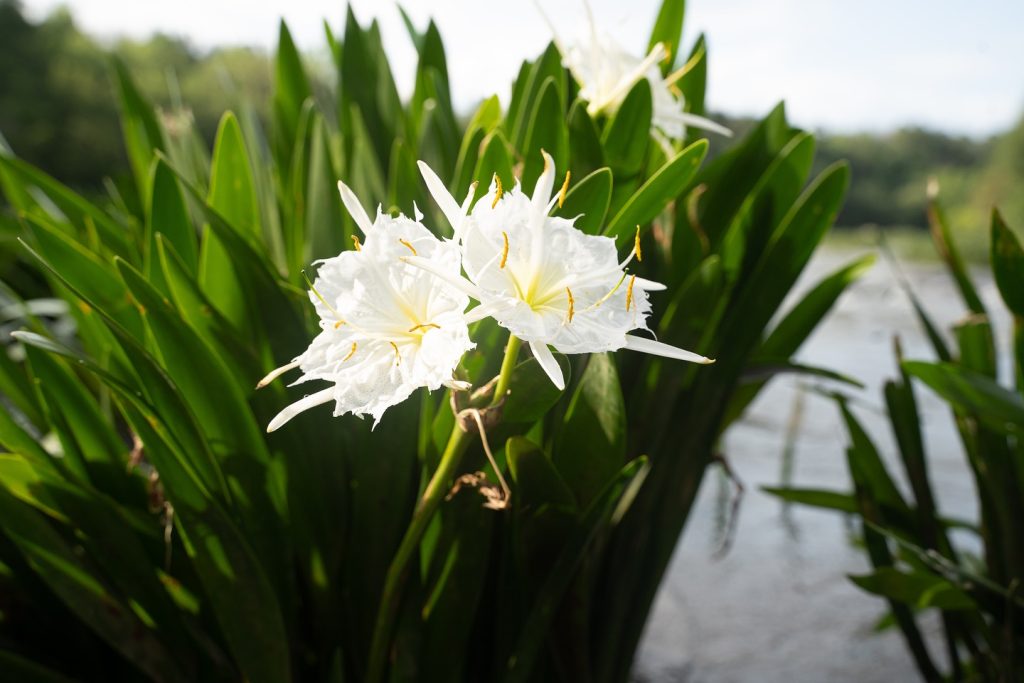
Plants
The river’s most famous plant is the Cahaba lily, an iconic spider lily that blooms across the river’s rocky shoals each spring. But the Cahaba’s banks and shoals support many rare and imperiled plant species, forming the foundation of the river’s unique ecosystem.
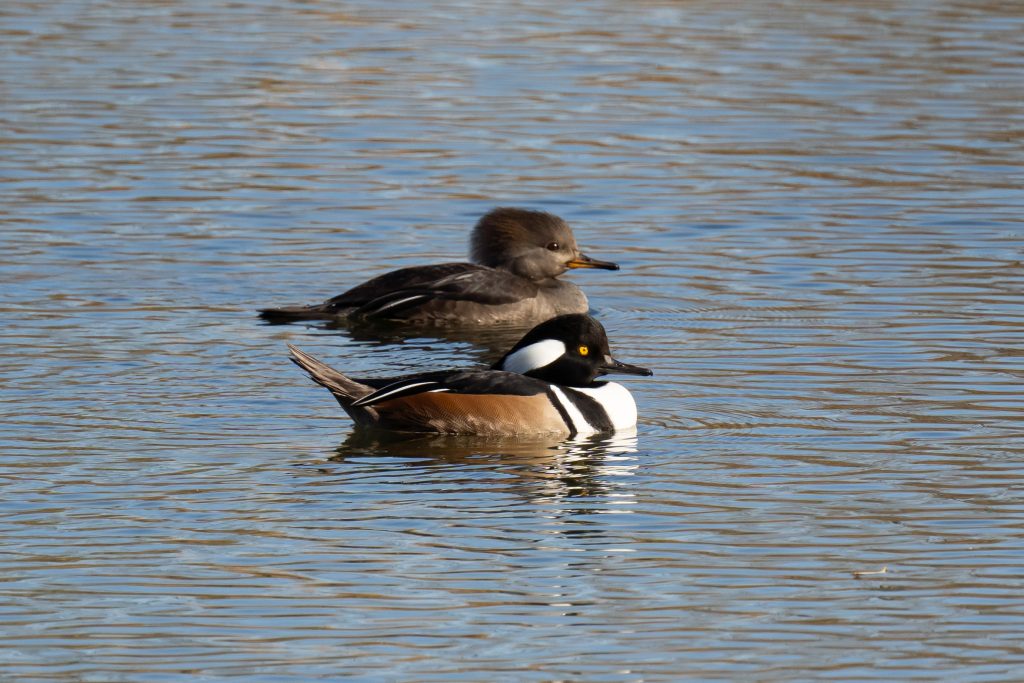
Birds
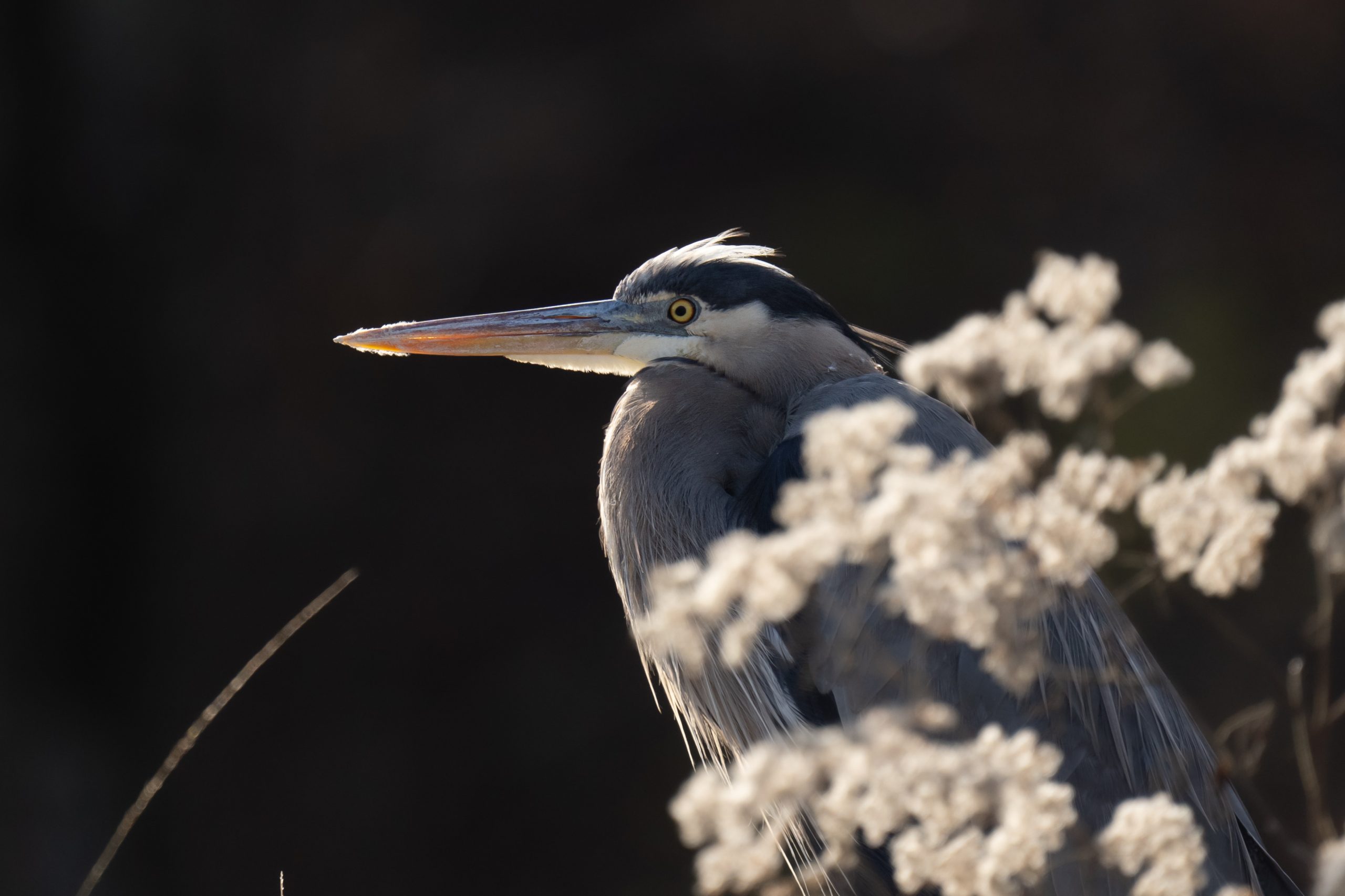
The Cahaba River and its surrounding forests provide important habitat for a wide variety of bird species. Wading birds, songbirds, and birds of prey rely on the river’s wetlands, shoals, and riparian forests for food, nesting, and migration stopovers.
Mammals
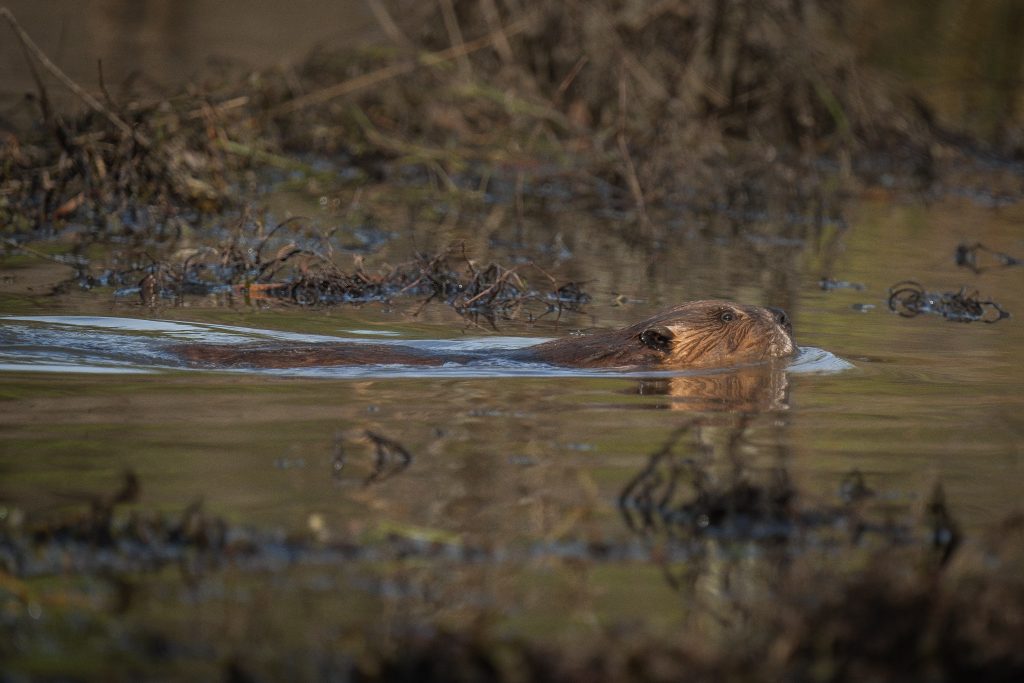
Beavers, muskrats, and even river otters live throughout the Cahaba watershed, while the surrounding forests support species such as bats, bobcats, deer, and other native mammals that rely on the river for water, food, and habitat.